
Design principles
- Free the guitar top and back! →
- Rigid sides →
- Rigid neck →
- Meticulously chosen wood →
- Bending wood for the top and back before final carving →
- Choose materials by engineering qualities and beauty →
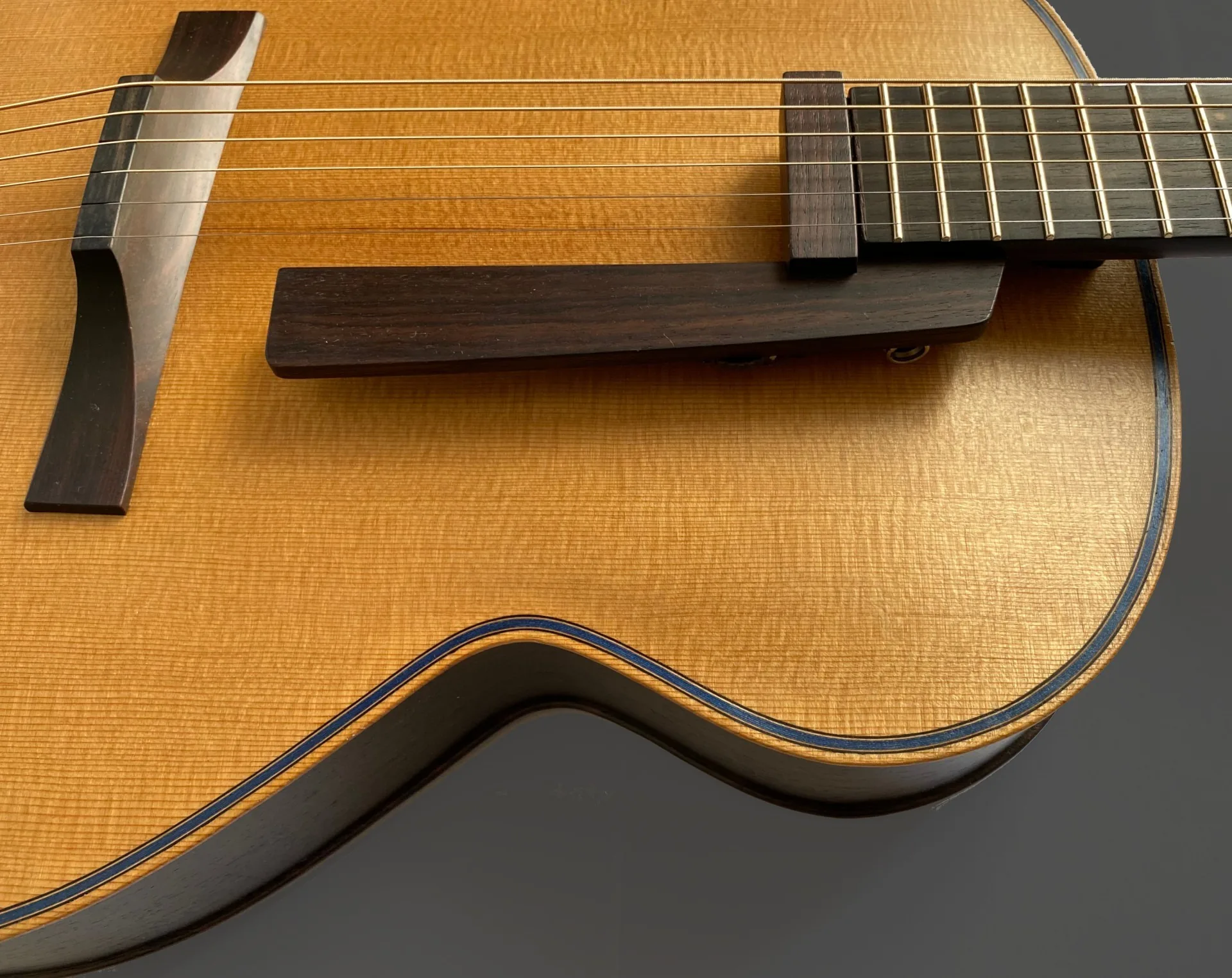
- Pickup! →
Free the guitar top and back!
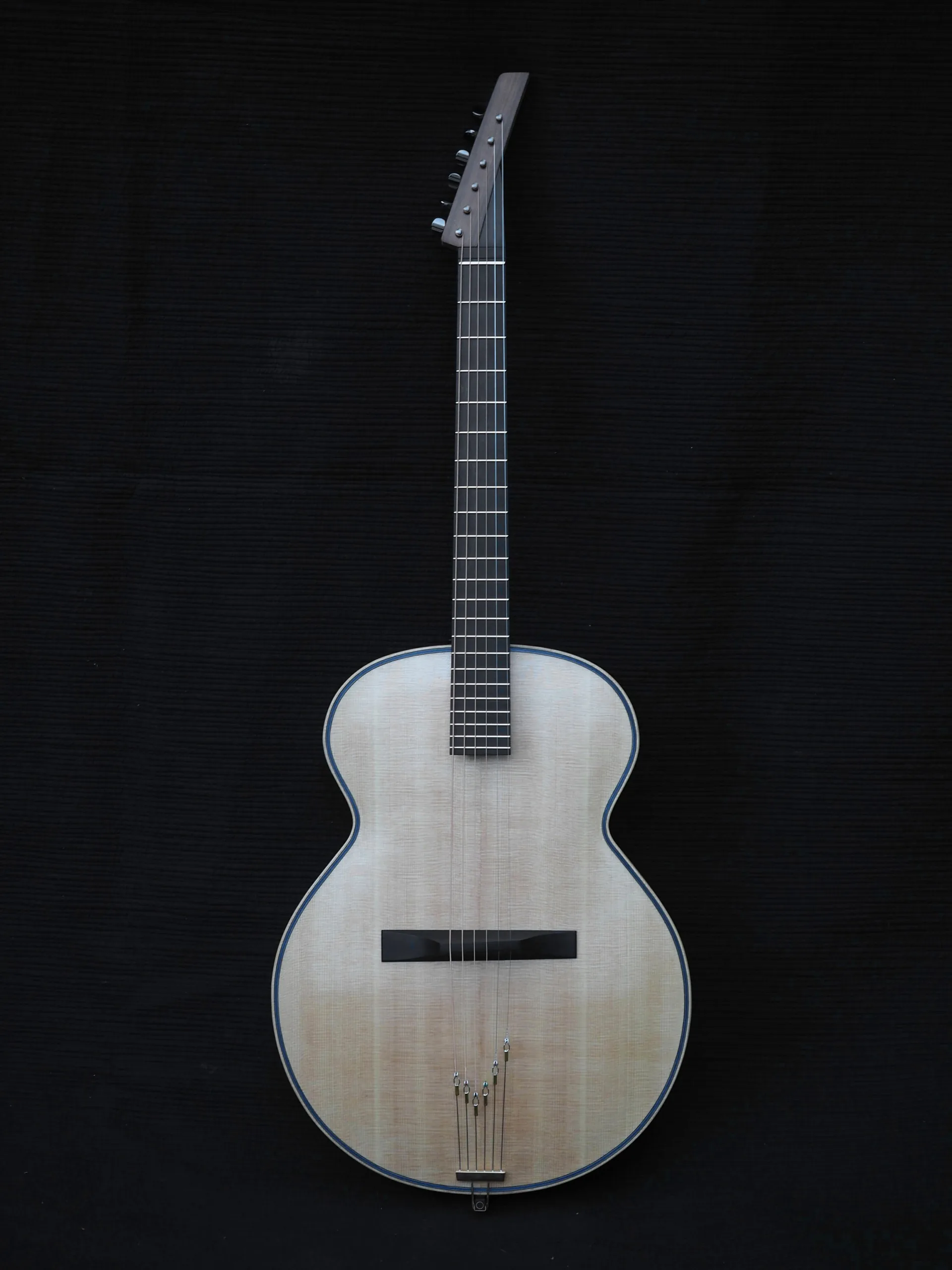
The most important function of the guitar top (and back!) is to translate the string vibrations through an efficient bridge into musical sound. Traditional guitar construction uses a closed guitar box as a structure opposing the constant ~75 kg (or ~165 lbs) string tension. The top is then under constant compression, and the back is under tension, which prohibits free vibrations. It is not optimal. I envisioned a super light, very strong carbon fiber beam that goes throughout the length of the box. I consulted on my first design with Dr. Wojciech Grendysa from the Warsaw University of Technology, Department of Airplanes and Helicopters, and he kindly said: "Your design is not optimal." Which meant: "This is a bad design" 🙂.
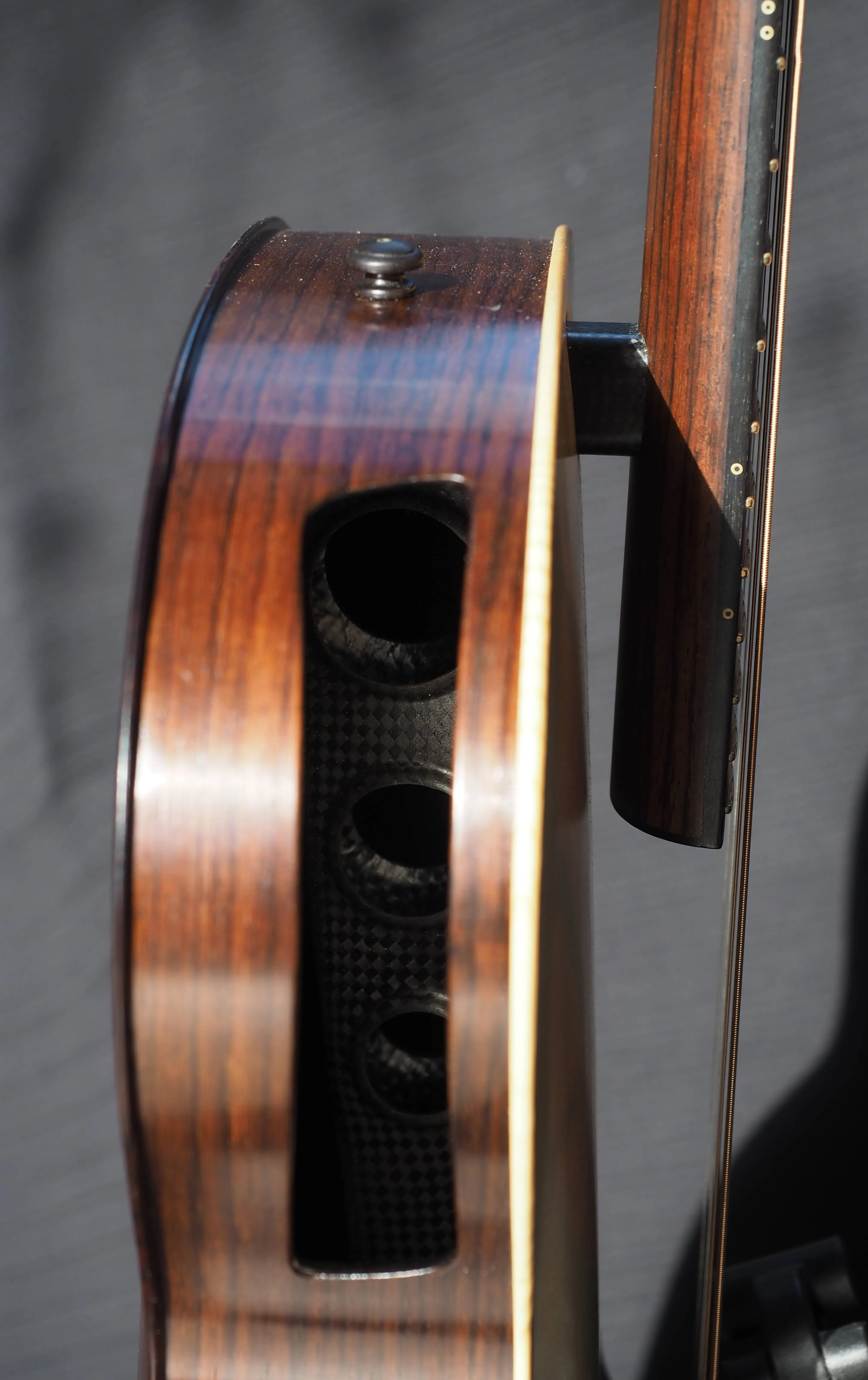
He was kind and very patient, helping me design a much stiffer and lighter structure. Wojtek helped me a few more times when my understanding of physics or composite design was suffering. The carbon fiber beam in my guitars has the sole function of counteracting 100% of the string tension. It works similarly to the wooden center block in a Gibson ES-335. However, it weighs only slightly over 100 g (3.7 oz) and does not touch the top or back plates, leaving them free to vibrate.
I had been thinking about this solution for years but hesitated as I had not seen any examples of it. I finally came across Kim Walker's Solo Novo archtop. Kim used a similar concept, but the beam in the Solo Novo is made of balsa, spruce, and a little graphite. Kim Walker developed this solution when a customer told him: "Build the best archtop you can". I was hooked.
There is no sound hole in the top of my guitars. The sound hole acts similarly to the resonance port in bass-reflex speakers and emits low frequencies only up to maybe 200 Hz. These low frequencies are emitted omnidirectionally. Middle and especially high frequencies are emitted directionally — in front of the guitar. There is no good reason, except for tradition, to place it on the front of the guitar, taking up the most precious area: the vibrating top. The sound hole can be safely placed on the side of the guitar, making the vibrating top bigger and thus more efficient.
Rigid sides
Imagine a small swimming pool with vinyl inflatable sides — the kind we place in the garden for children to play in during hot summers. When one drops something heavy in the middle of the pool, the waves on the water spread outward from the center and hit the pool sides. As the sides are elastic, they start to "swallow" the waves' energy. They are compliant with the waves. Soon the wave is canceled. It is quite easy for the water to move the vinyl pool sides. We say that the impedance of the water and vinyl sides is similar. The effect is fast wave cancellation.
Now imagine a proper concrete-walled swimming pool. When you toss a stone into calm water, you can see the waves traveling outward in concentric circles toward the pool walls. Then they are almost perfectly reflected from the walls. The concrete is not compliant with waves. We say the impedance difference between water, as a wave-transferring medium, and concrete is large. The waves can reflect many times from the pool walls until they disappear.
When a string starts to vibrate after the guitarist strikes it with a plectrum or finger, the vibrations are transferred to the bridge and then from the bridge to the top. The wave, similar to that on the water in a pool, travels from the bridge toward the sides of the guitar. When the wave hits the side, its behavior depends on the impedance mismatch between the spruce top, as a wave-transferring medium, and the sides.
When the impedances of the top and sides are not very different, a lot of energy is compliantly drawn from the top by the sides. Many argue that this transfers energy to the back, but in reality, this is not a very efficient energy transfer. The vast majority of top and back coupling occurs through air pressure changes inside the box.
When the impedance mismatch between the top and sides is large, the sound wave in the top is reflected and propagates back from the side, then reflects off the other side of the guitar, and so on. At certain frequencies, standing waves reach maxima. They are described by their peak frequency, loudness, and peak width. At low frequencies, we call them signature modes; at higher frequencies, formants. Every instrument has a characteristic set of signature modes and formants that make its timbre unique. In the same way, every person's voice, due to structural differences in the larynx, is unique through its signature modes and formants.
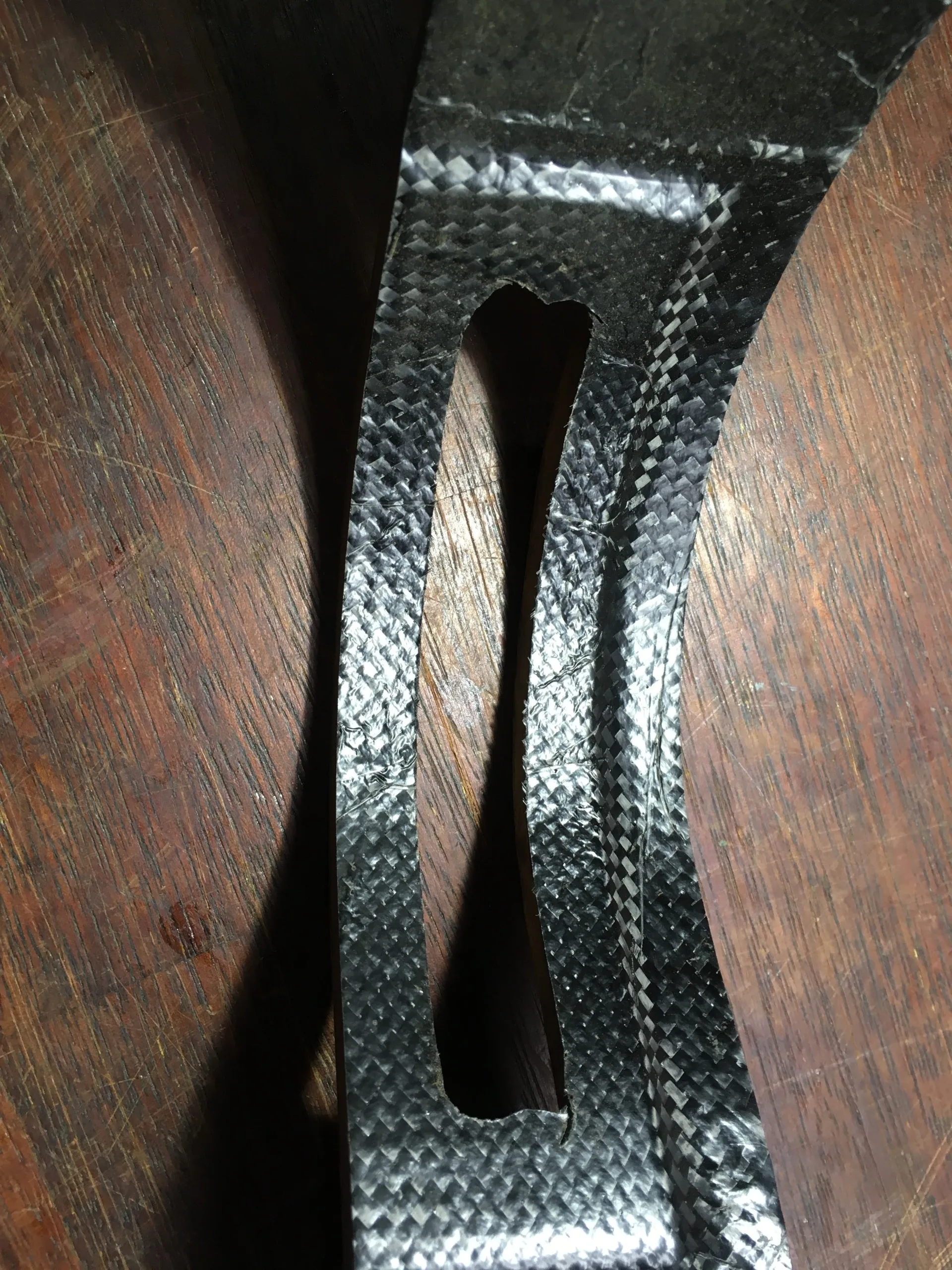
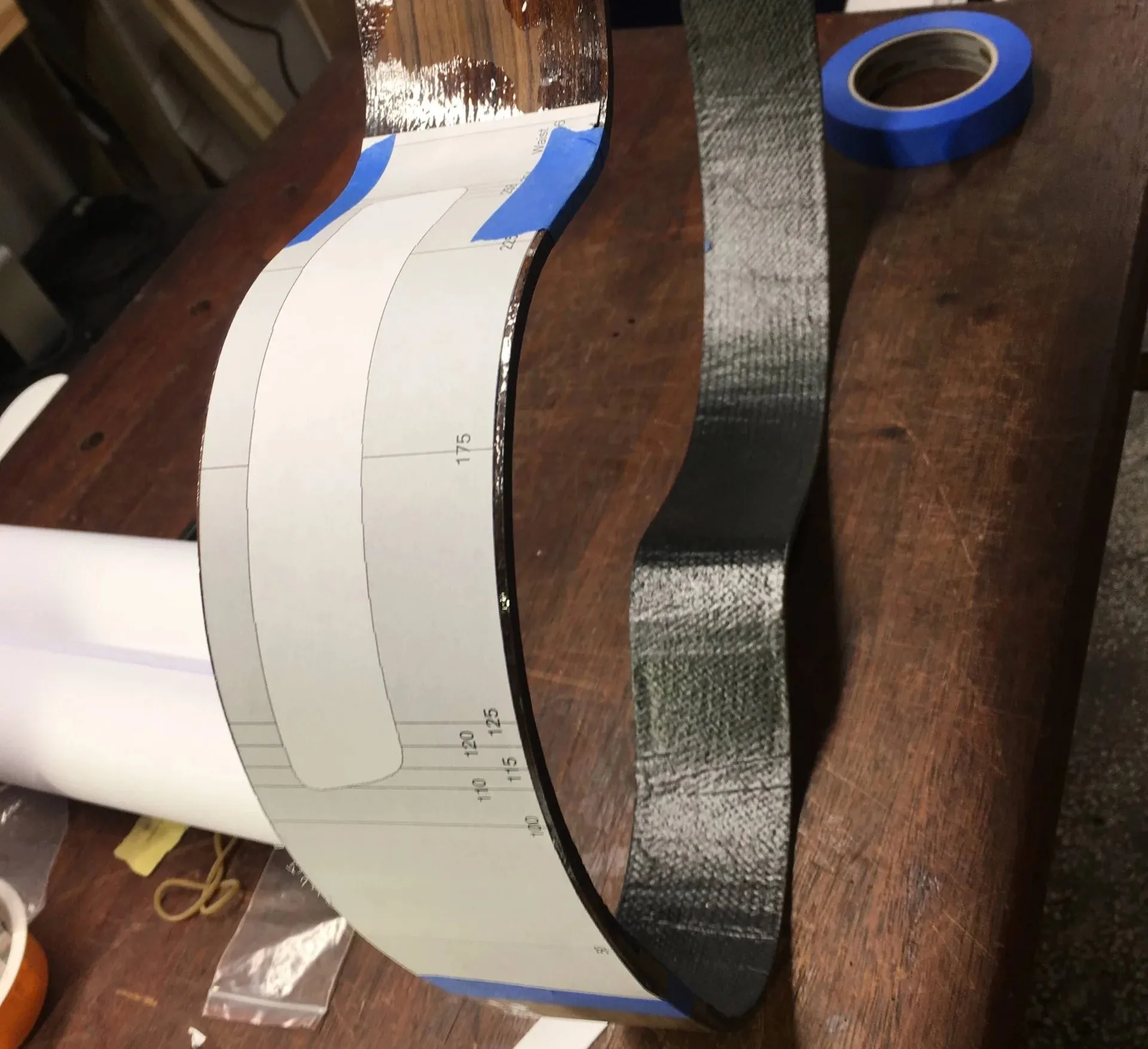
The desired large impedance mismatch between the very light spruce top and the guitar sides can be achieved by increasing the mass of the sides (see Trevor Gore's book on guitar design: https://goreguitars.com.au/the-book/), increasing stiffness, or both. I want my guitars to be light, so I chose to increase stiffness. I make the sides from a complex laminate of wood veneer, multiple layers of carbon fiber fabric laid in strategic directions, and Nomex as a core spacer. This manual process requires many days. As a result, the sides are as rigid as concrete, particularly in the direction opposing the sound waves hitting the side walls. I designed them with minimal compliance in that direction so that standing waves are supported rather than canceled.
Rigid neck
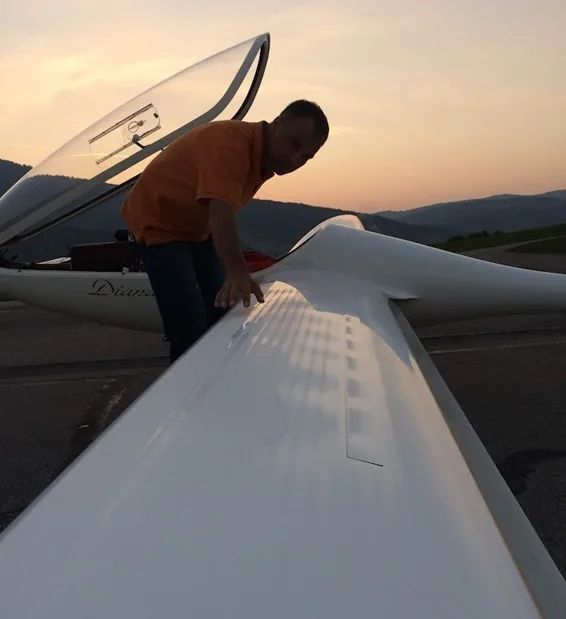
Designing a neck that does not vibrate and absorb energy from the strings is a challenge. As a glider pilot, I drew upon the brilliant design of the Diana 2 glider wing for my neck design. Bogumił Bereś, the structural designer of the Diana 2, omitted the heavy spar traditionally used in glider construction. Instead, he developed a multi-web-box design similar to corrugated cardboard. The result is the lightest glider in the 15 m class (182 kg compared to an industry average of 240 kg). While the wings maintain the same rigidity and strength as competing designs, they are 50% lighter.
In the photo—taken after I landed after a high-altitude flight—you can see the frost remaining where the internal structure of the wing retained the low temperature (also in the photo is my friend Sebastian Kawa, a sixteen-time world gliding champion, with whom we have done some great gliding projects).
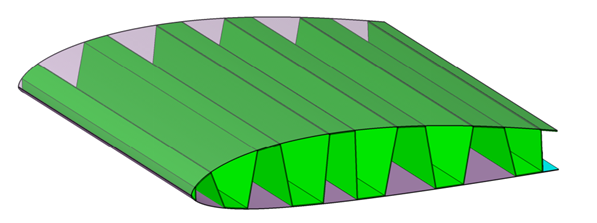
My neck is designed based on the structural principles of Bogumił Bereś. Diagram above source:
https://icas.org/icas_archive/ICAS2008/PAPERS/461.PDF
The design of the Diana 2 wing corresponds to the structural diagram shown here. The authors of this paper evaluated the efficiency of three distinct wing designs and confirmed this configuration to be superior.
Meticulously chosen wood
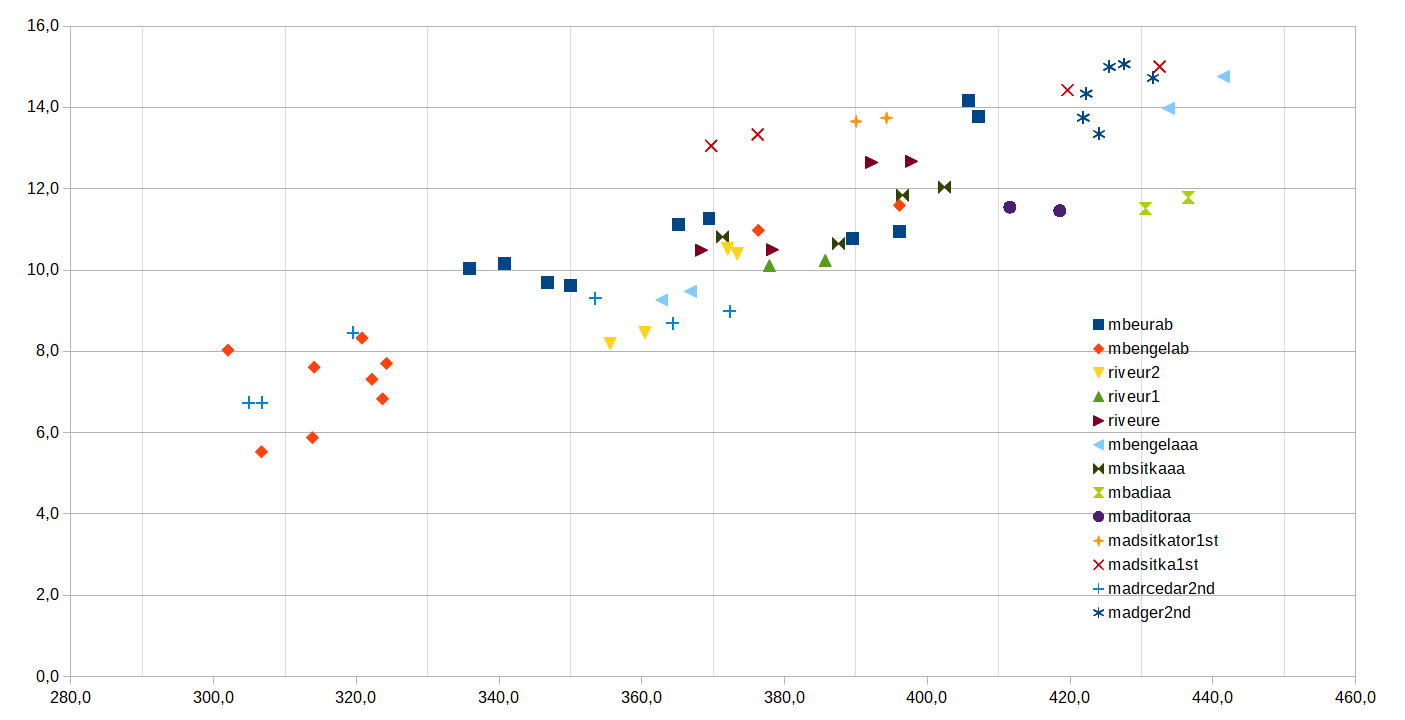
I build guitar tops and backs from carefully selected timber. For spruce tops, I evaluate rigidity and lightness by measuring the speed of sound and density of every piece. Selection is based primarily on acoustic properties (maximizing radiation ratio) rather than aesthetics alone. The back plate, by supporting top resonances, influences the overall acoustic color of the instrument. Every piece of wood, even within the same species, requires a unique thickness graduation to couple optimally with the top.
Bending wood for the top and back before final carving
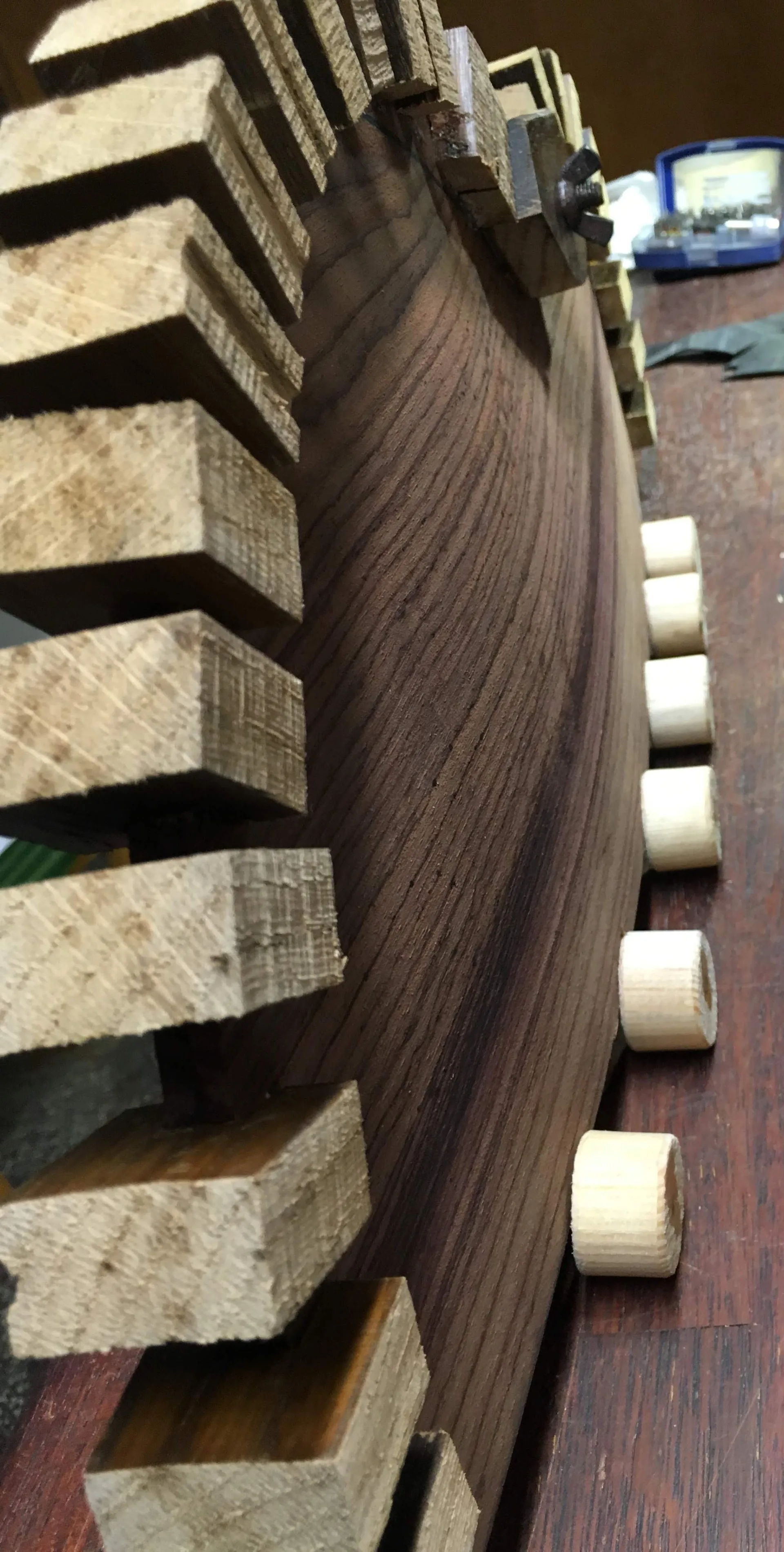
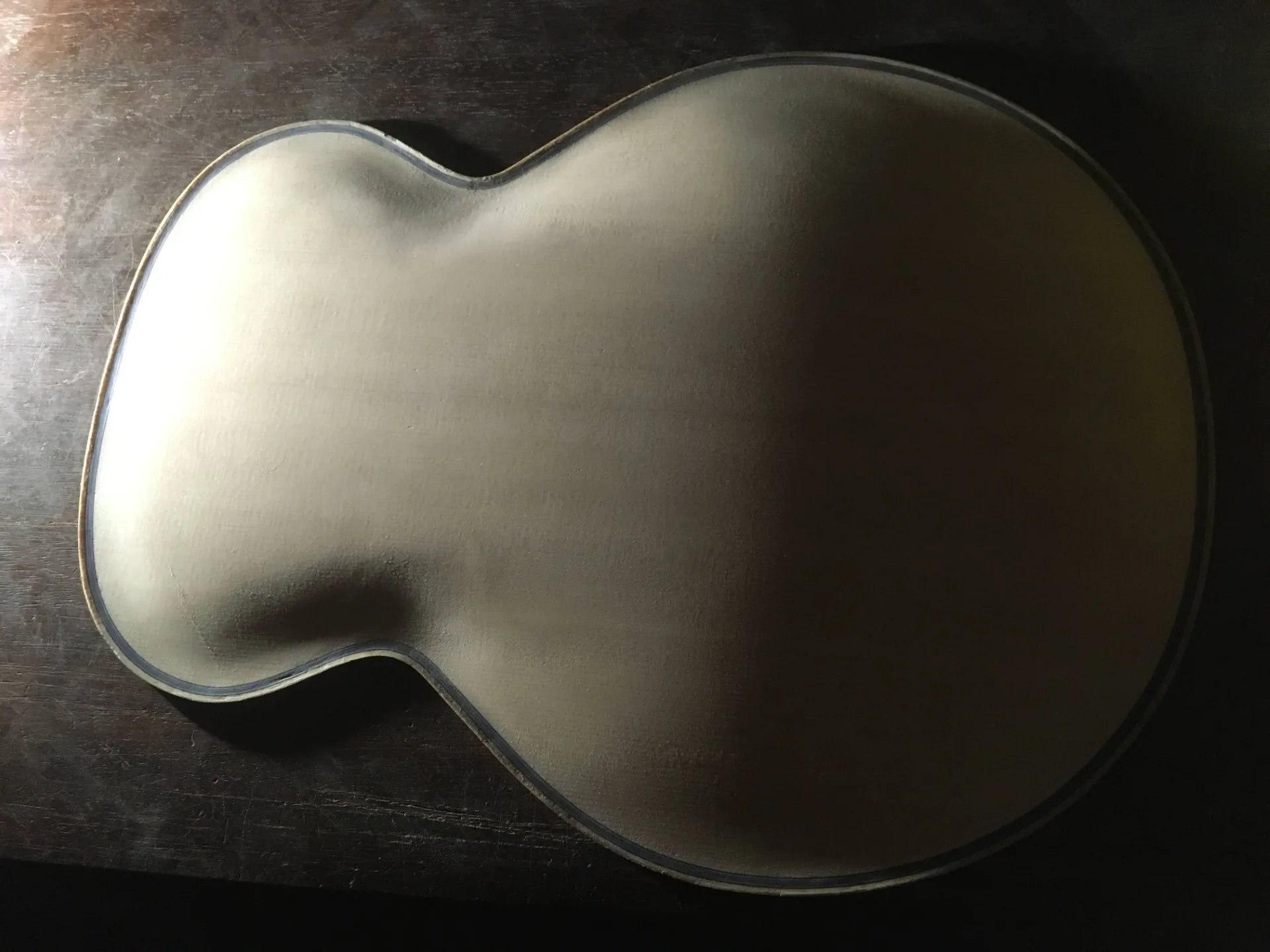
I carve the top and back plates to their final dimensions only after the blanks are pre-bent. I follow the methodology described by viola maker Helen Michetschläger:
https://helenviolinmaker.com/wp-content/uploads/2017/04/Dartington-talk-transcript-with-pics.pdf
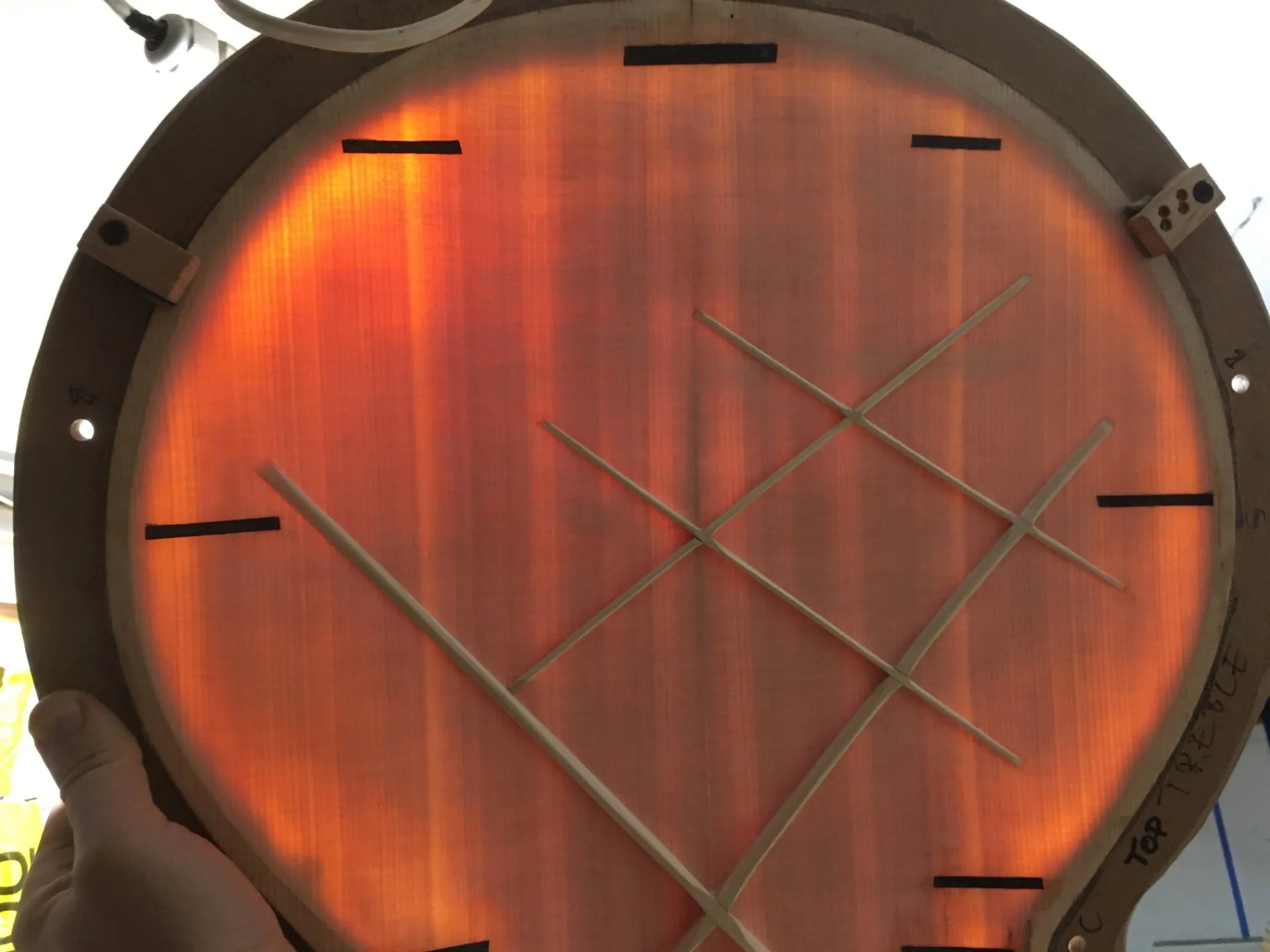
The advantage of this method lies in wood fiber alignment: bending allows the fibers to follow the arch contour, meaning fewer fibers are severed during final carving. Continuous fibers following the plate profile yield a stronger, lighter structure. This allows thinning specific regions down to 1.5 mm (under 1/16 inch).
Choose materials by engineering qualities and beauty
The materials used in my guitars differ from standard luthiery choices.
Traditional archtop guitars were designed around materials and technologies available at the time. Lloyd Loar developed the Gibson L-5 — the archetype of the acoustic archtop — a century ago. While acoustic science and material engineering have advanced significantly since then, wood remains susceptible to long-term structural deformation (creep). Structural components can be redesigned using modern composite materials to eliminate creep while reducing weight.
Utility products in other fields have evolved similarly; wooden skis, leather ski boots, and wooden tennis rackets have been replaced by engineered composites. Load-carrying structures in my instruments are built from aviation-grade carbon fiber composite to ensure long-term dimensional stability.
I use wood for its beauty as well as for its unique engineering qualities. As Ken Parker once noted, if wood did not exist and someone developed it, they would deserve a Nobel Prize. It remains an extraordinary material for creating sound.
Where high directional strength and stiffness are required, I use carbon fiber laminates.
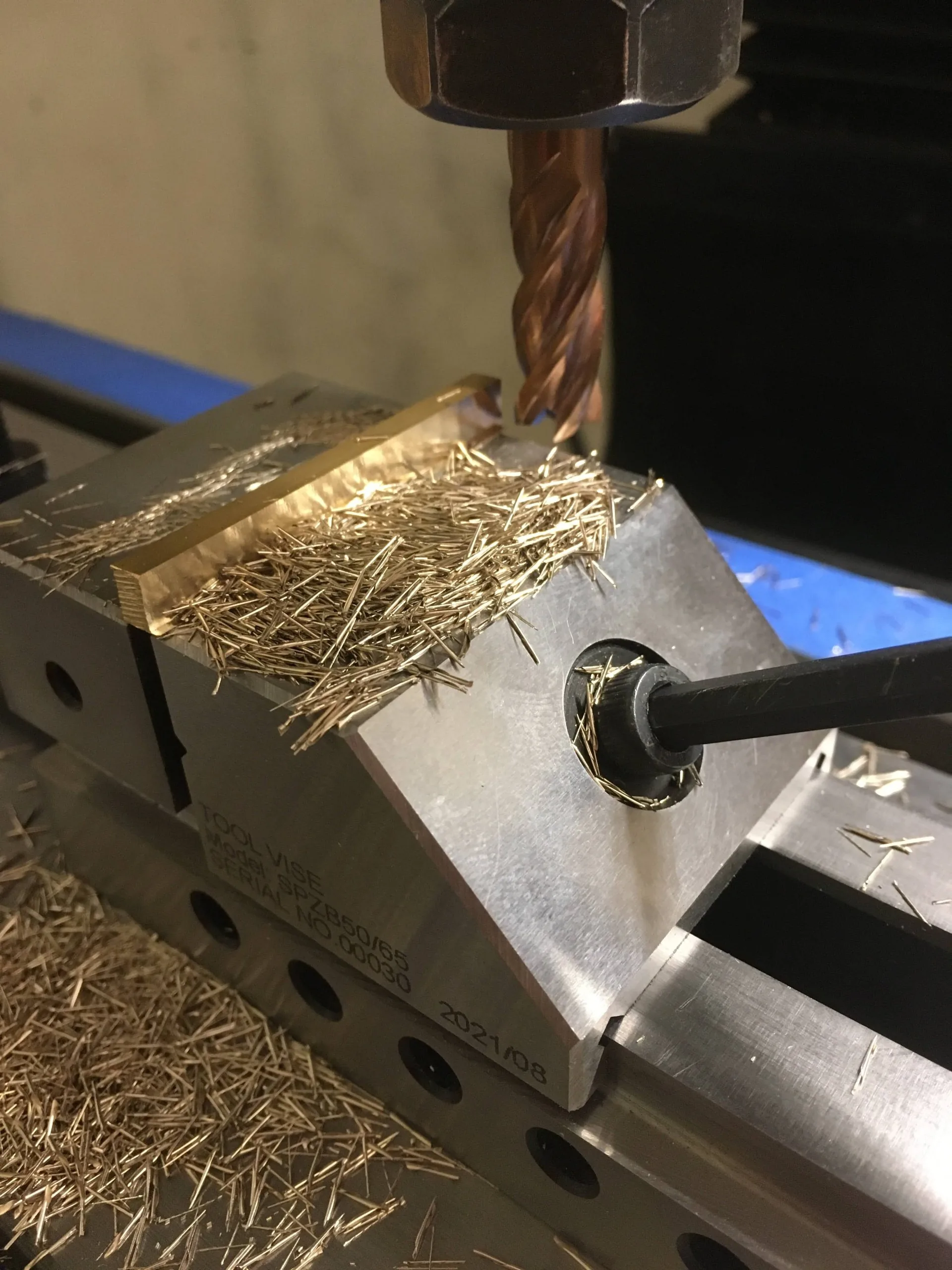
Aviation-grade 7075 aluminum is used for its mechanical strength, toughness, and fatigue resistance. For components requiring isotropic strength where aluminum is unsuitable, steel or high-strength titanium alloys are employed.
I also utilize brass, silver, and aluminum bronze.
Pickup!
Very-low impedance humbucker
The standard magnetic guitar pickup — invented nearly a century ago and 'perfected' almost 70 years ago — could likewise benefit from rethinking. The pickup coil is inherently balanced. Converting this to an unbalanced signal inside the guitar cavity, combined with high-inductance coils, increases susceptibility to mains hum and electromagnetic interference. High coil impedance paired with cable capacitance also restricts high-frequency response, creating a traditional vintage magnetic tone that does not represent the acoustic soundboard output. My goal was to design a pickup that complements rather than replaces the natural acoustic voice when using phosphor bronze strings (e.g., .012–.053 gauge)—a balanced, low-impedance design immune to interference that allows long cable runs without signal degradation, operating similarly to professional microphones.
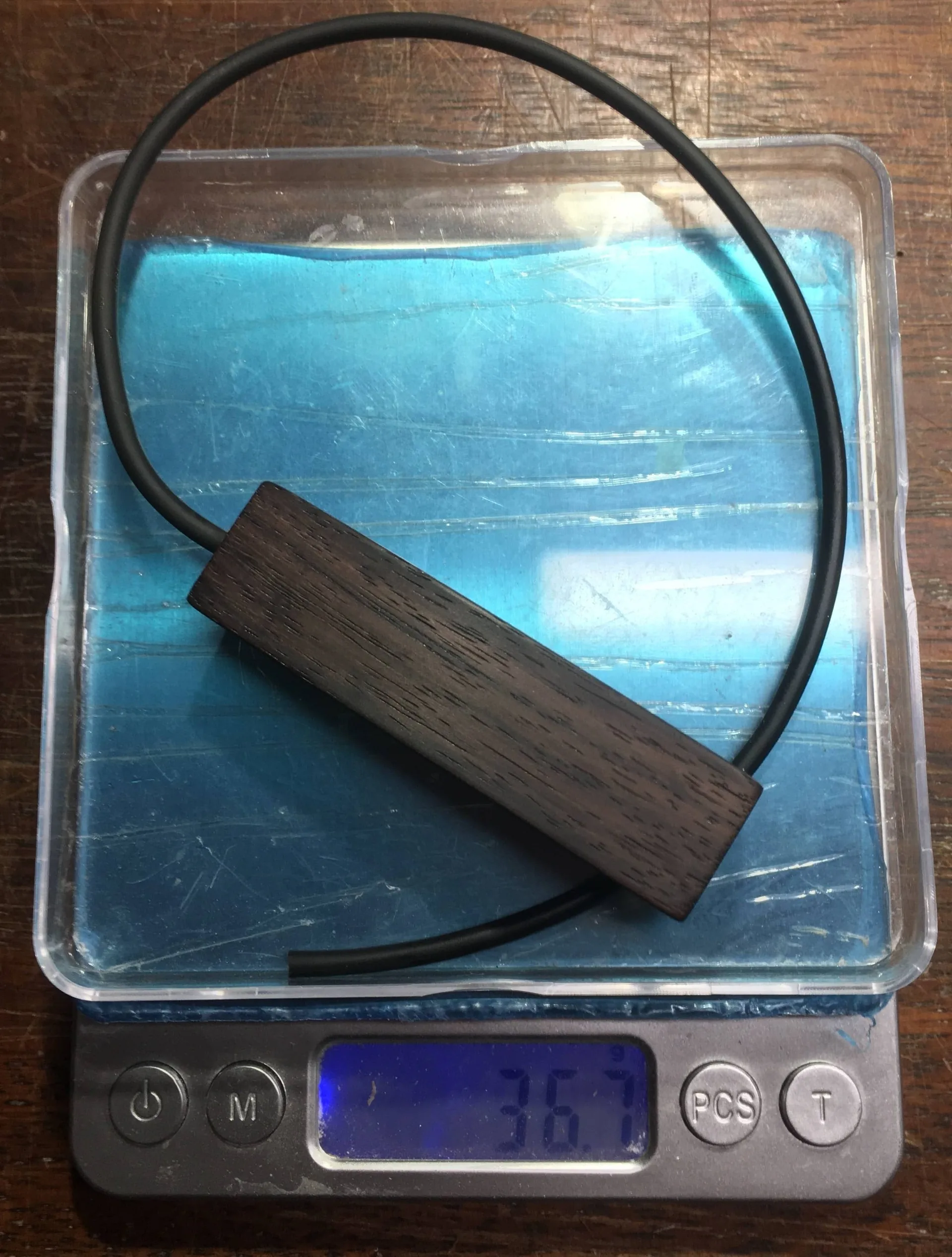
The pickup is a low-impedance humbucker. Hum-canceling geometry reduces 50/60 Hz mains hum. A DC resistance of ~60 ohms and an impedance under 250 ohms in the audio band, combined with a balanced line output, minimizes electromagnetic noise. Frequency response remains flat across the audible spectrum with a resonant peak above 20 kHz, allowing uncolored signal processing at the amplifier. The instrument connects directly to a balanced XLR microphone input, a PA system, or through the included Shure A95 matching transformer into a standard high-impedance instrument input.
Audio demonstrations featuring the low-impedance pickup architecture: